
I am a Melbourne-based engineering director working in building physics and sustainability, and a doctoral researcher in architecture.
My work focuses on how buildings perform, how people experience them, and how technical decisions shape environmental, social, commercial, and long-term project outcomes. In professional practice, I work across building physics, sustainable design, and performance risk. In research, I study human-nature connection, biophilia, and the role of nature in built environment design.
This page brings together links to my professional and academic work. I am open to collaboration, talks, presentations, and advisory roles.
My surname has recently changed, and I am currently updating my various online identities. Much of my earlier work was published under my previous name, Jason Gaekwad.
Current Focus: Building performance as project and asset risk
I’m currently exploring how technical issues in façades and building physics translate into commercial, planning, operational, and reputational risks for developers, investors, and project teams. Recent areas of focus include reflected glare, condensation, airtightness, overheating, and climate resilience.
Selected Thinking
Short pieces on sustainability and human experience, focusing on why technical decisions matter in practice.
Why upfront carbon should drive early project decisions
Nature as urban infrastructure for mental health
Professional Activities
I am a professional consultant and chartered engineer specialising in building physics, sustainability, and performance risk. I currently practice as a Technical Director at Inhabit, based in Melbourne, Australia.
My work focuses on projects where engineering decisions have consequences beyond compliance, influencing how buildings perform, how people experience them, and how assets manage risk and create long-term value for owners, investors, and users.
Much of my work involves helping clients navigate complex design and performance decisions where there is no single “right” answer. Rather than treating metrics in isolation, I take a systems view to understand how design choices interact across technical performance, commercial value, regulatory requirements, occupant experience, environmental outcomes, and long-term resilience.
Some of my most memorable and iconic projects are listed below. Each image links to more information about the project.
Key Projects
Metro Tunnel Project, Melbourne, Australia
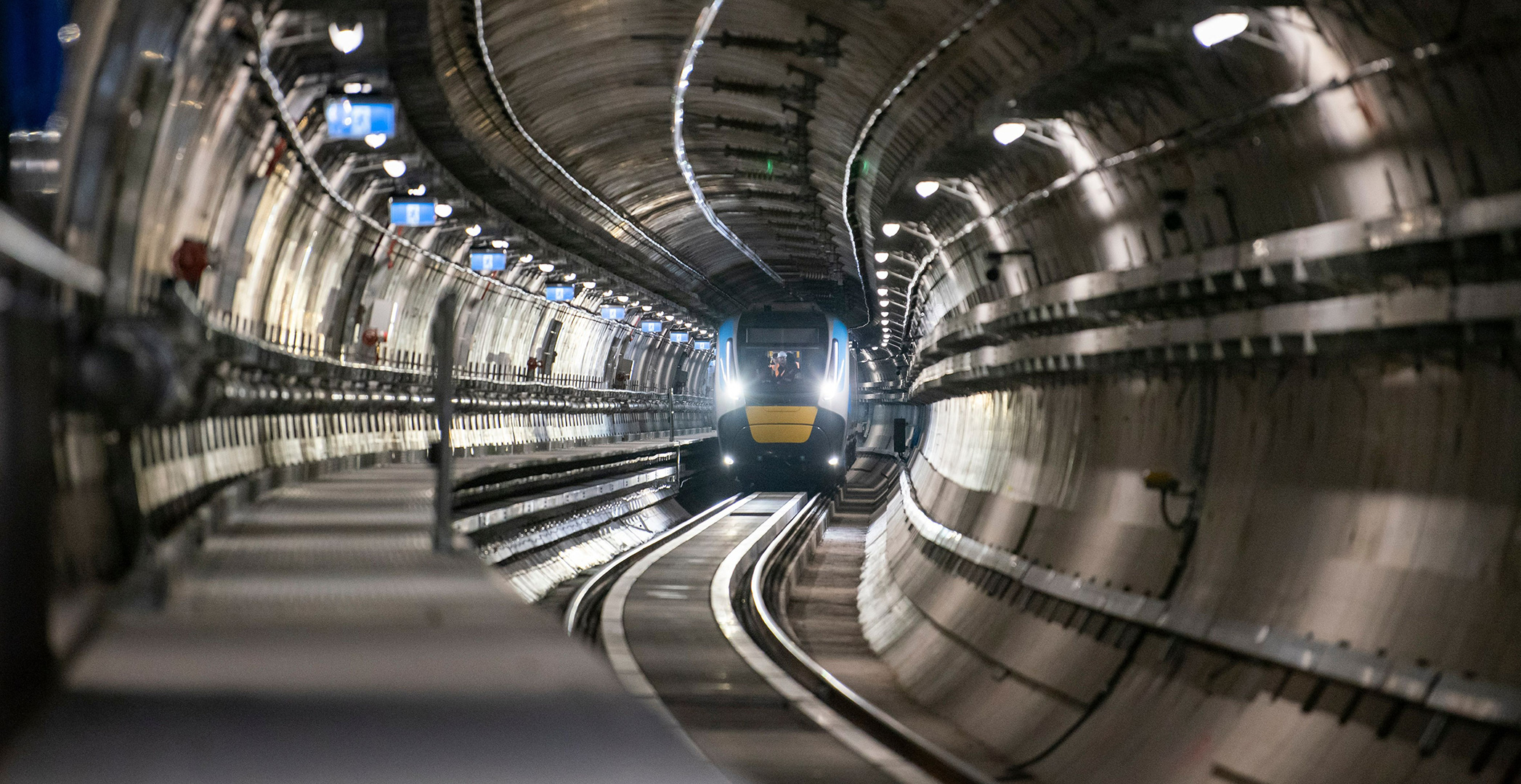 © Metro Tunnel Project
Sunshine Coast University Hospital, Queensland, Australia
 © Architectus
Glasshouse Theatre (New Performing Arts Venue), Brisbane, Australia
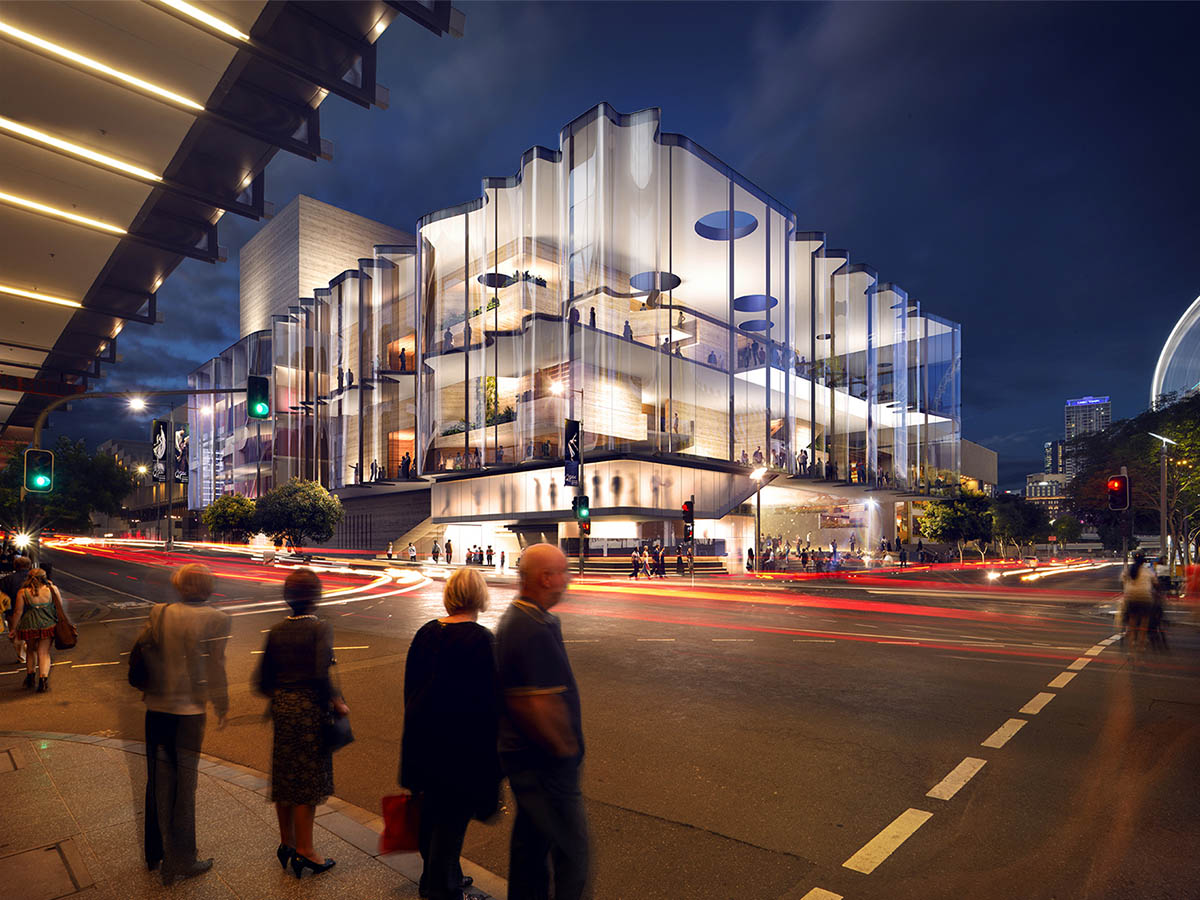 © Blight Rayner Architects
Woodside Building for Technology and Design, Monash University, Melbourne, Australia
 © Grimshaw
Berninneit Cultural and Community Centre, Victoria, Australia
 © Victor Vieaux
Clifton Hill Primary School, Melbourne, Australia
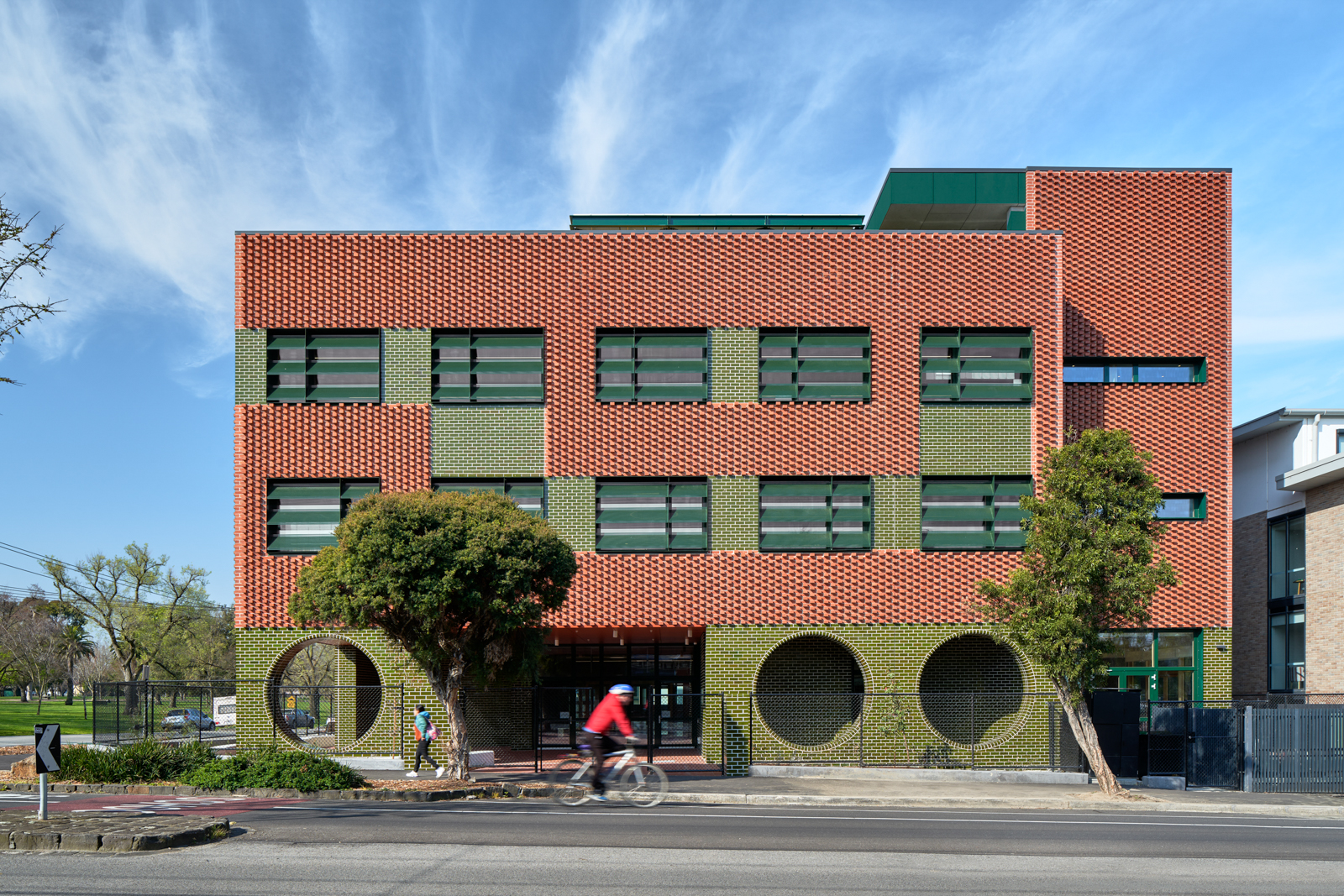 © Peter Clarke
Adelaide Oval Redevelopment, Adelaide, Australia
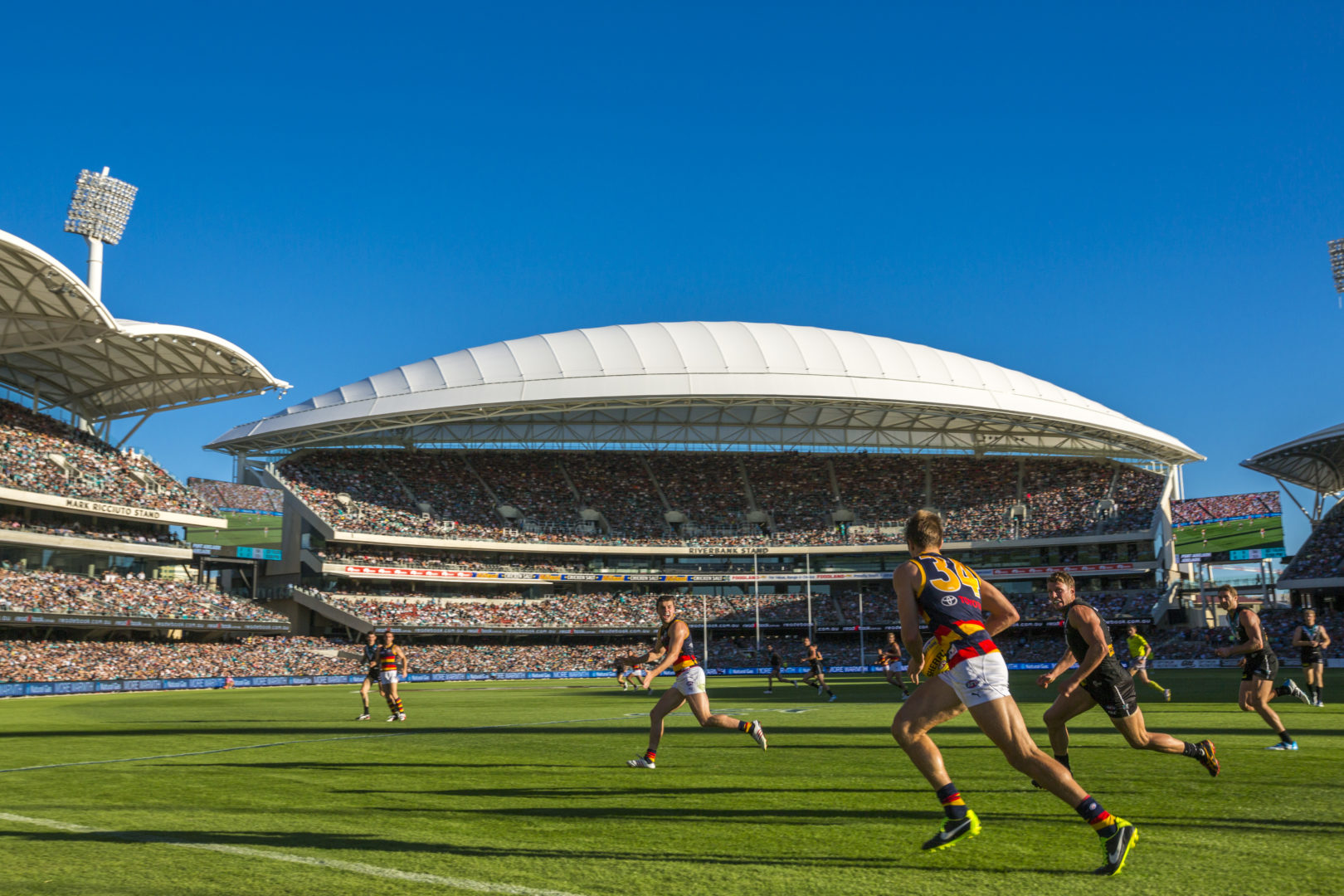 © Cox Architecture
Professional Publications
Passivhaus (Passive House) in Australian Climates
Ecolibrium, 2019
Carbon Monoxide Dispersion in Enclosed Car Parks: Pollutant Source Modelling Methods
Proceedings of the 15th Conference of the International Building Performance Simulation Association, San Francisco, 2017
Footfall vibration analysis of a high precision manufacturing facility
Proceedings of the 143rd International Congress on Noise Control Engineering, Melbourne, 2014
Dynamic assessment of wind sensitive stadium structures
Proceedings of the 13th Australian Acoustical Society Conference, Victor Harbour, 2013
LinkedIn Articles
Net Zero Series
Condensation & Mould Series
Academic Activities
In addition to my consulting work, I am also a PhD candidate within the School of Architecture and Built Environment at Deakin University in Geelong, Australia. My research investigates how people experience and respond to natural and built environments, with implications for human well-being, built environment design practice, and policy. Further information on my research is available here.
My GitHub includes work-in-progress Python projects related to my academic work, including packages for conducting meta-analyses and analysing data from the Tobii Pro Glasses 3 eye tracking headset.
Academic Publications
A meta-analysis of physiological stress responses to natural environments: Biophilia and Stress Recovery Theory perspectives
Journal of Environmental Psychology, 2023
Potential risks and beneficial impacts of using indoor plants in the biophilic design of healthcare facilities: A scoping review
Building and Environment, 2023
A Meta-Analysis of Emotional Evidence for the Biophilia Hypothesis and Implications for Biophilic Design
Frontiers in Psychology, 2022
Personal Interests
Outside of my professional and academic commitments, I spend as much time as I can outdoors, hiking, rock climbing, and SCUBA diving - both exploring new places and increasing my understanding of the familiar. I also play guitar and love going to live music events, especially when they bring diverse individuals together in vibrant, creative spaces.